If you’re searching for a bold as well as flashy shrub, Leonotis is a great place to start. These distinct African plants are fast-growing and also have intriguing, brilliantly colored blossoms which attract hummingbirds and butterflies. Leonotis leonurus, or lion’s tail, is an evergreen shrub from the mint family members. These plants are also frequently known as lion’s ear and wild dagga. Amusingly, the scientific name for this plant indicates lion-colored lion ear.
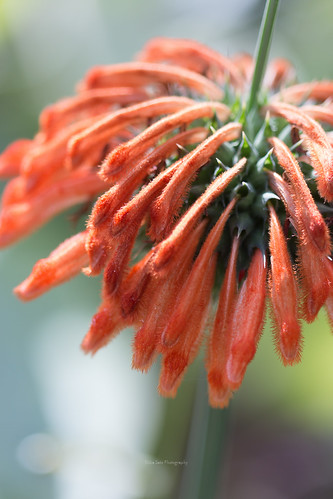
Leonotis is a semi-evergreen shrub, relying on the climate where you grow it. These plants expand to about 8 feet (2.4 m) high and equally vast in warmer environments yet may be restricted to about 5 feet (1.5 m) in cooler zones. Lion’s tail leaves are generally regarding 5 inches (12.5 centimeters) rough-textured and also long. If crushed, these oppositely set up leaves have weakly serrated margins as well as a distinctive natural scent. The lower stems of these plants are pale and also woody however light as well as breakable, and also top branchlets are greener and also square-shaped in cross-section.
In warmer areas, this plant will certainly stay evergreen, whereas frost will trigger it to drop its fallen leaves. In frost-prone areas, it is possible to expand this plant as an annual by starting it from seed indoors and also moving it outside after the last frost. Leonotis leonorus is a very fast-growing plant that can reach 6 feet (1.8 m) in a solitary year if planted from seed. When they reach around 6 inches high, the seeds don’t need any treatment as well as can be planted in the ground or in pots prior to replanting.
Leonotis is a functional plant that can be grown as semi-evergreen, perennial, or yearly. These are low-maintenance bushes when expanded within their favored environment ranges however will require a great amount of additional care if grown in chillier areas. Usually, these plants should be pruned every year, after flowering, to promote a denser development form. If expanded outdoors in areas with frost, trim it to around 4 to 8 inches (10 to 20 cm) as well as safeguard the crown from frost damages with a layer of compost. The plant ought to expand back strongly in the next springtime.
 Leonotis leonorus for sale